
- Two taxpayer groups sued Aug. 5 to void 2025 Wisconsin Act 247, the tribal-server model for mobile betting.
- Act 247 exempts a mobile wager from Wisconsin’s criminal code only if the server sits on tribal land.
- The third count calls the tribal-server requirement a racial classification barred by the 14th Amendment.
- Texas has never signed a Class III gaming compact, and its Legislature does not convene until Jan. 12, 2027.
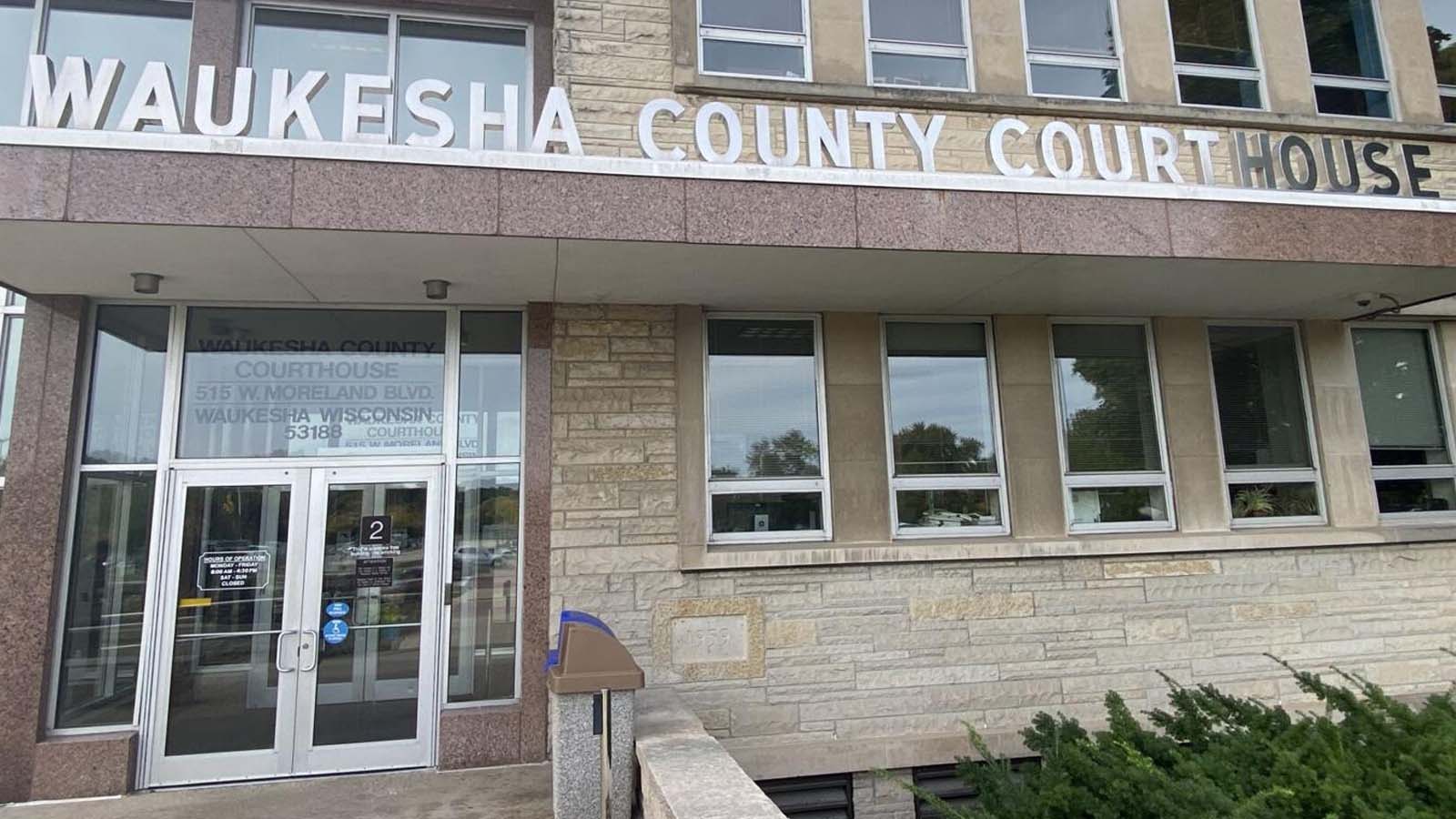
AUSTIN, Texas – Two taxpayer groups asked a Waukesha County judge on Aug. 5 to void the Wisconsin law that legalized mobile sports betting through tribal servers. The filing puts the tribal-server model before a court, and it is a route Texas cannot copy, because the state has never signed a Class III gaming compact.
Wisconsin’s Carve-Out Hinges On Compacts Signed Before April 1, 1993
The new law, 2025 Wisconsin Act 247, licenses nobody. It adds a single exemption to a criminal code that makes placing a bet a Class B misdemeanor under Wis. Stat. § 945.02(1).
Under the act, a sports wager stops being a “bet” when the person placing it is physically in Wisconsin, uses a mobile or other electronic device, the server conducting the wager sits on a federally recognized tribe’s Indian lands in the state, and the wager is conducted “pursuant to an Indian gaming compact under s. 14.035 originally entered into prior to April 1, 1993.” The wager is then deemed to have taken place on those tribal lands.
That last condition is the load-bearing one, and it is the reason the Wisconsin model does not lift cleanly into another state. The complaint, filed by the Wisconsin Institute for Law & Liberty for the Brown County Taxpayers Association and Citizens Defending Liberty, argues the exemption authorizes gambling. Article IV, Section 24 of the Wisconsin Constitution bars the Legislature from doing that “in any form” outside bingo, raffles, pari-mutuel on-track betting and the state lottery.
The named defendants are Gov. Tony Evers, Department of Administration Secretary Kathy Blumenfeld, Division of Gaming Administrator John Dillett and Indian Gaming Audit Director Jessie Dushek.
Wisconsin’s 11 federally recognized tribes signed those pre-1993 compacts between 1991 and 1992, after a federal district court held in Lac du Flambeau Band of Lake Superior Chippewa Indians v. Wisconsin, 770 F. Supp. 480 (1991), that the state’s treatment of Class III gaming was regulatory rather than prohibitory and that Wisconsin had to negotiate.
Texas Has No Class III Compact To Attach A Carve-Out To
Federal recognition in Texas runs to three tribes. The Ysleta del Sur Pueblo holds it, as do the Kickapoo Traditional Tribe of Texas and the Alabama-Coushatta Tribe of Texas, and none of the three holds a Class III gaming compact with the state, because Texas has never signed one. Sports betting is Class III gaming under the Indian Gaming Regulatory Act, and Class III gaming is regulated through tribal-state compacts. A Wisconsin-style carve-out written into Texas law would point at an instrument that does not exist.
The Supreme Court set the ceiling four years ago. In Ysleta del Sur Pueblo v. Texas, 596 U.S. 685 (2022), decided 5-4 on June 15, 2022, Justice Neil Gorsuch wrote that the 1987 Restoration Act prohibits on the Ysleta del Sur Pueblo’s and Alabama-Coushatta’s lands only those gaming activities Texas itself prohibits, leaving the rest to tribal regulation under federal law. That reasoning saved the tribes’ bingo operations. It also tied their ceiling to state law, so anything Texas bans, the tribes cannot offer.
Wisconsin’s tribes got compacts because a court read the state’s gaming laws as regulatory. Texas bans sports wagering outright, which is why its tribes run Class II bingo and nothing resembling a sportsbook, and why there are no regulated Texas online sportsbooks. It is also why so much action crosses the Red River. Texans bet billions in Oklahoma at tribal casinos operating under compacts their own state signed.
The Equal Protection Count Is The Part That Travels To Texas
The complaint’s first two counts rest on the Wisconsin Constitution and stop at the state line. The third does not. It argues that conditioning a legal mobile wager on a server sitting on tribal land is a racial classification under the 14th Amendment, because all 11 Wisconsin tribes set membership by blood quantum or direct lineal descent.
That count leans on Rice v. Cayetano, 528 U.S. 495 (2000), for the rule that a state violates the Constitution when it assigns a benefit based on indigenous status. It argues the authority recognized in Morton v. Mancari, 417 U.S. 535 (1974), flows from the Indian Commerce Clause and the Treaty Clause to Congress, never to a state legislature.
The complaint also cites Williams v. Babbitt, 115 F.3d 657 (9th Cir. 1997), for the proposition that even Congress could not hand tribes a complete monopoly on the casino industry.
None of that depends on a 1993 Wisconsin ballot question. A Texas compact granting the state’s tribes exclusive rights to run mobile sports betting would draw the identical claim, and the request for relief asks the court to declare that “any compacts carrying it out” violate equal protection.
The Texas Vehicle Went The Amendment Route And Died In Committee
Texas has never tried the Wisconsin shortcut in statute. Under Article III, Section 47 of the Texas Constitution, the Legislature must outlaw lotteries and gift enterprises, sparing only charitable bingo, charitable raffles and the state lottery. Changing it takes two-thirds of both chambers plus a majority of voters at the ballot box.
The tribal vehicle in the last session accepted that arithmetic rather than route around it. House Joint Resolution 185, filed March 11, 2025, by Rep. Mary González of El Paso County, proposed a constitutional amendment requiring the governor to execute a model gaming compact with the Alabama-Coushatta Tribe of Texas or the Ysleta del Sur Pueblo within 90 days of a request, and authorizing either tribe to sue the state if he refused.
The resolution was referred to the House State Affairs Committee on April 2, 2025, and never left it. Until that changes, prediction markets and offshore operators remain the only live options among Texas gambling sites for a wager on a game, and the constitutional question stays untested in Texas courts.
The Wisconsin defendants have 45 days from service to file written answers in Waukesha County Circuit Court, where the action was brought under Wis. Stat. § 806.04. The Texas Legislature convenes its next regular session on Jan. 12, 2027.