
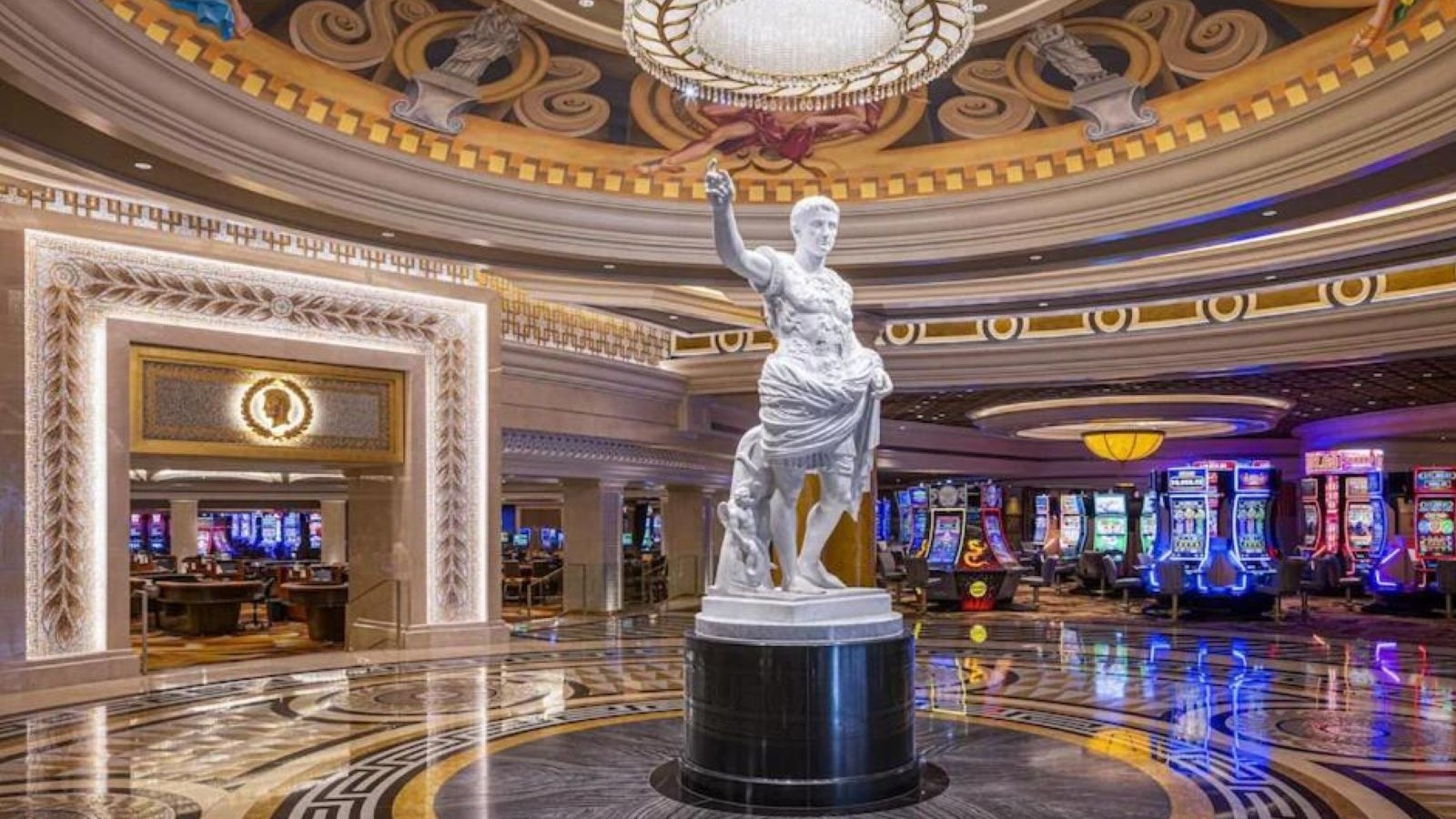
- Houston billionaire Tilman Fertitta, who owns the Golden Nugget casino chain and the NBA’s Houston Rockets, agreed in May to buy Caesars Entertainment for about $17.6 billion, a pending deal that would make him one of the largest casino operators in the country.
- Fertitta runs Golden Nugget casinos in Nevada, New Jersey, Mississippi, Louisiana and Colorado and is a major Wynn Resorts shareholder, but he cannot open one in Texas, where casinos are banned.
- He has long pushed to legalize Texas casinos, wants to build one in Galveston, and has given about $3.1 million to Texas politicians since 2018, yet a constitutional ban and opposition led by Lt. Gov. Dan Patrick have blocked every attempt.
- His nearest casino, the Golden Nugget in Lake Charles, Louisiana, sits about a three-hour drive from Houston and was built to draw Texas gamblers, so legalizing Texas casinos would cut into his own Louisiana business.
- The Caesars deal, still pending shareholder and regulatory approval, would give Fertitta roughly 50 casino properties nationwide, none of them in his home state.
HOUSTON – Tilman Fertitta is on the verge of becoming one of the biggest casino operators in America. He just cannot be one in Texas.
In May, Fertitta’s company reached a definitive agreement to acquire Caesars Entertainment in an all-cash deal valued at about $17.6 billion, including roughly $11.9 billion in assumed debt. If it closes, the Houston billionaire would fold Caesars’ portfolio, including eight properties on the Las Vegas Strip, into his own Golden Nugget chain, giving him control of roughly 50 casinos nationwide. The deal is still pending, with a window for rival bids open through July 11 and gaming and antitrust regulators yet to weigh in, though analysts told CNBC the odds look favorable partly because of Fertitta’s role in the current administration he serves as President Trump’s ambassador to Italy and donated to Trump’s 2024 campaign.
Fertitta already owns Golden Nugget casinos in Nevada, New Jersey, Mississippi, Louisiana and Colorado, ranks among the largest shareholders of Wynn Resorts, and bought the Rockets for a then-record $2.2 billion in 2017. Estimates put his net worth around $11 billion. Not one of his casinos sits in Texas, for the simple reason that the state does not allow them.
That is the paradox at the center of his empire. Casino gambling has been prohibited in Texas for more than a century, written into the state constitution, and undoing it requires a constitutional amendment: a two-thirds vote in both legislative chambers, then approval by voters. The Texas House passed casino or sports-betting measures in 2021, 2023 and 2025, only to watch them die in the Senate, where Lt. Gov. Dan Patrick controls the floor and has refused to let them advance. The Legislature does not convene again until 2027. Polls have consistently found that most Texans, by margins ranging from roughly 55 to 75 percent, would support legal Texas casinos.
Fertitta has spent years trying to change that. He has said he would build a casino in Galveston, where he owns the San Luis Resort, and has given about $3.1 million to Texas politicians and political committees since 2018, according to a Bloomberg analysis. He brought the Rockets into the Texas Sports Betting Alliance, the coalition of pro teams and operators lobbying to legalize wagering. “Every year it gets a little easier,” he told Crain Currency in 2024, arguing that Texas should allow large destination resorts rather than scattered slot machines.
His interest comes with a complication legalization advocates rarely raise. Fertitta’s nearest casino, the Golden Nugget in Lake Charles, Louisiana, sits about a three-hour drive from Houston and was built expressly to capture Texas gamblers; Fertitta has said he views Louisiana and Texas “almost as one” market. Louisiana regulators have reported that most Lake Charles casino customers travel from at least 150 miles away or out of state, and one frequently cited estimate puts the amount Texans spend gambling in neighboring states and Las Vegas at about $5 billion a year, much of it flowing to Louisiana rooms like his. The legal gambling sites in Texas run to the lottery, charitable bingo and horse tracks, with no commercial casinos, so that money crosses the border. Legalizing Texas casinos would cannibalize that business. His position has been consistent anyway: he wants to be among the operators licensed to build if Texas ever opens.
The opposition he faces is as much moral as economic. Christian conservative groups have anchored the resistance for decades, and Rob Kohler, a lobbyist for the Baptist General Convention of Texas’s Christian Life Commission, has framed the issue partly as protecting the poor. Combined with Patrick’s grip on the Senate, that coalition has proved more durable than the millions in lobbying and donations the casino industry has aimed at the Capitol.
Under current Texas gambling laws, none of that shifts before 2027 at the earliest. In the meantime, analysts read Fertitta’s sports holdings, and the marketing reach of a franchise like the Rockets, as pieces placed on the board for the day the state finally opens.
So the most powerful Texan in the casino business sits in a peculiar spot: profiting from his home state’s ban through the casinos he owns just across its borders, spending to end that ban, and building an empire everywhere else the law allows. Whether Texas keeps saying no or eventually says yes, Fertitta has arranged his holdings to win either way.