
- Sports betting is banned in Texas, but betting on Texas elections is legal through federally regulated prediction markets like Kalshi and Polymarket, and traders are using them heavily.
- The Paxton-Cornyn Senate runoff became a betting spectacle: Cornyn’s odds hit 91 percent on Polymarket after the March primary, then collapsed when President Trump endorsed Ken Paxton, who surged past 95 percent on Kalshi before winning the May runoff with roughly 64 percent of the vote.
- The November general election between Paxton and Democrat James Talarico now trades near a toss-up, with markets pricing Paxton at roughly 55 percent.
- Regulated U.S. election markets became possible after Kalshi’s 2024 federal court victory over the CFTC, and the platforms’ minimum age is 18.
- News outlets from The Hill to Forbes now report the odds themselves as campaign news, giving the markets growing influence over how the race is covered.
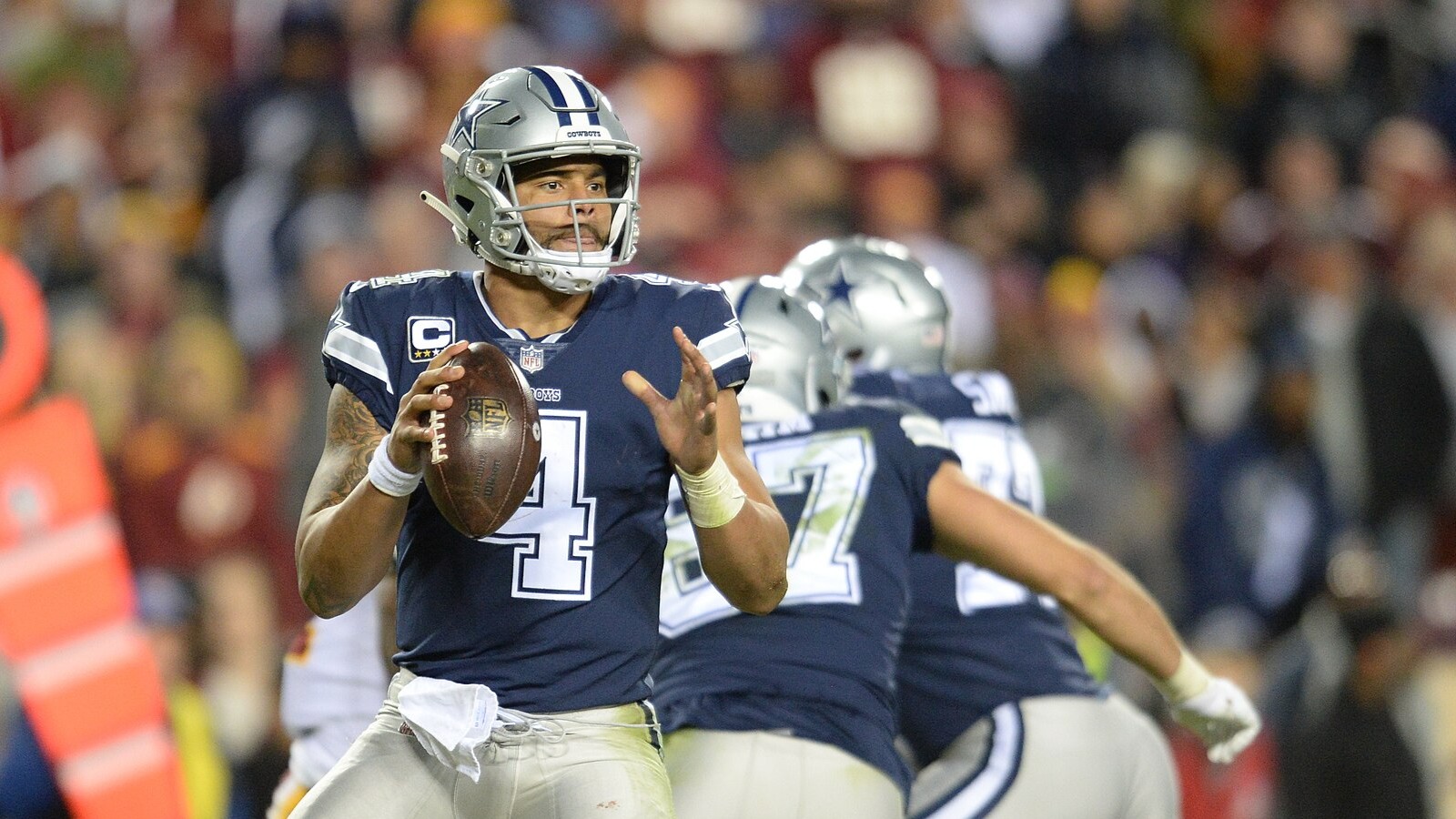
AUSTIN – Cowboys bets are banned in Texas; wagering on a game can technically land you in some hot water. Wagering on who will win the state’s blockbuster U.S. Senate race is legal, federally regulated, and open to anyone 18 and older with a smartphone.
That is the strange split screen of 2026. While sports betting remains banned in the state, betting on Texas’s own elections runs freely through prediction markets such as Kalshi and Polymarket, exchanges regulated by the Commodity Futures Trading Commission that list contracts on political outcomes the way brokerages list stocks. The door opened when Kalshi won a 2024 federal court fight against the CFTC, clearing the way for the first regulated election markets in modern American history, and Texans have been trading on their own democracy ever since.
No contest shows what that looks like better than the Republican Senate brawl between Attorney General Ken Paxton and four-term Sen. John Cornyn. After the March 3 primary forced a runoff, traders briefly made the incumbent a heavy favorite; Cornyn’s odds spiked as high as 91 percent on Polymarket in early March. Then, a week before the May 26 runoff, President Trump endorsed Paxton, calling him on Truth Social “a true MAGA warrior who has ALWAYS delivered for Texas.” The markets moved faster than any poll. By runoff eve, The Hill reported, Kalshi gave Paxton a better than 95 percent chance, up from the low 60s only days earlier. Paxton won with roughly 64 percent of the vote.
The general election is now the marquee market. Paxton faces Democratic state Rep. James Talarico, who claimed his nomination outright in March, and traders price the race close to a coin flip: Kalshi’s Texas Senate market has hovered around 55 percent for Paxton, with Polymarket in similar territory, and Forbes notes Republicans’ odds of holding the seat have fallen sharply from about 80 percent in January. The Cook Political Report, watching the same race, shifted its rating from likely Republican to lean Republican after the runoff. Markets also track the governor’s contest, where Greg Abbott seeks reelection against Democrat Gina Hinojosa, along with control of Congress itself. Odds move constantly, so the numbers above are snapshots, not settled facts.
For a state that prohibits nearly every other wager, the arrangement is a legal riddle. The same platforms Texans use to trade on elections also offer sports contracts, the feature Lt. Gov. Dan Patrick wants investigated and doctors want age-gated, yet the election contracts sit on even firmer federal ground, blessed directly by the courts. Texas cannot license, tax or restrict any of it, and the state’s ban on Texas sportsbooks does not reach a CFTC-regulated exchange. The result: the one bet Texas politicians cannot stop is the bet on Texas politicians.
The markets are not just accepting wagers; they are shaping the story. Outlets now cite the odds as campaign news, treating price swings the way earlier generations treated tracking polls, and Texas’s race is a national test case because traders correctly anticipated Paxton’s runoff blowout while polls showed a single-digit contest. Supporters argue that people risking real money aggregate information faster and more honestly than surveys. Critics, including some regulators, counter that betting on democracy invites manipulation, that a deep-pocketed trader could move prices to manufacture a momentum narrative, and that the line between civic engagement and gambling is blurring. Both things can be true, which is why the fight over these markets is nowhere near finished.
None of it changes what is legal on the ground under Texas gambling laws: no sportsbooks, no casinos, and no path to either before the Legislature returns in 2027. But through prediction markets in Texas, the state’s voters will spend the months before Nov. 3 doing something their own laws never contemplated, legally putting money on the outcome of their own election, in real time, all the way to the closing bell.