
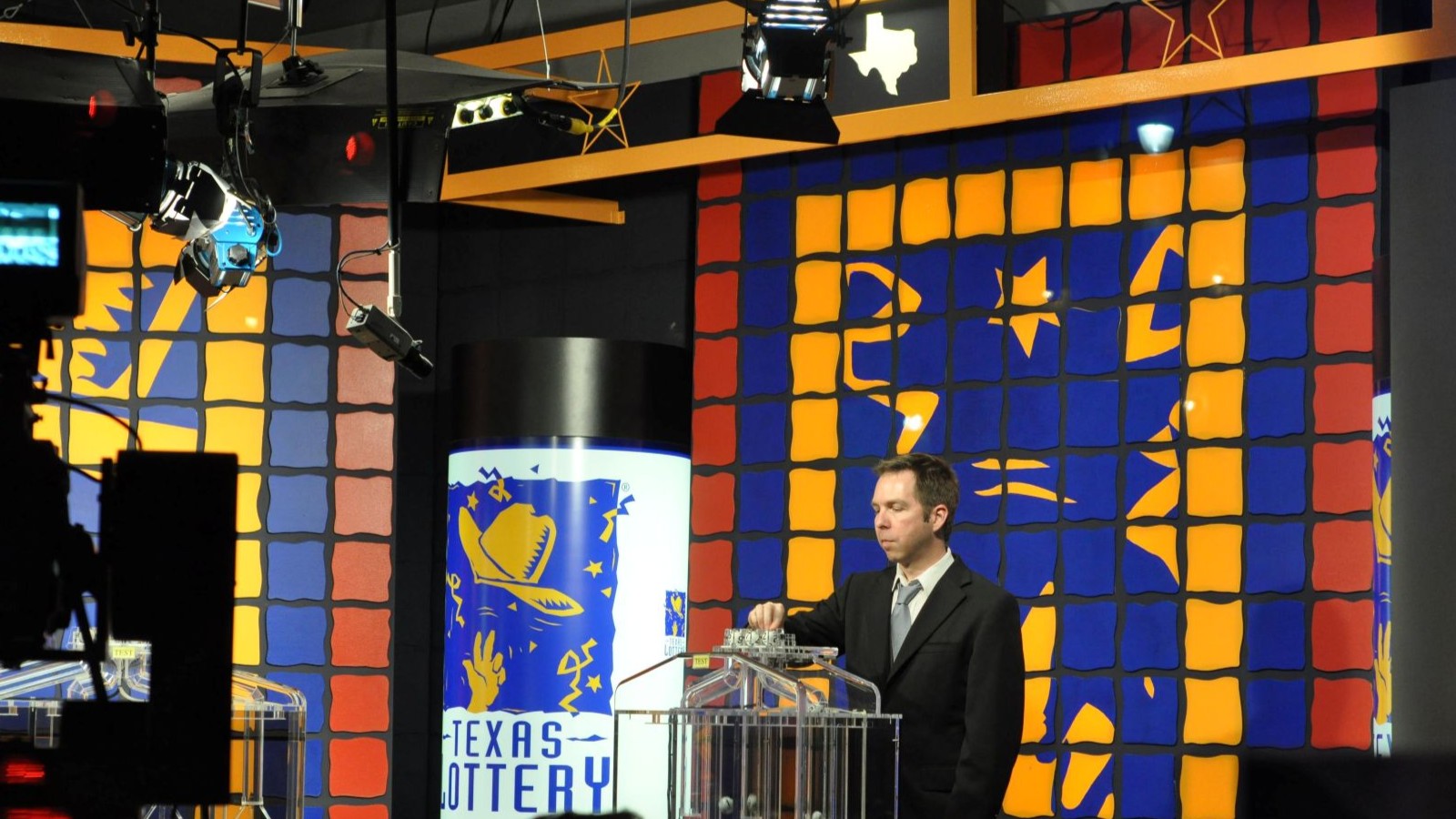
- The Texas Lottery was marketed as a way to fund public schools, but it covers only a sliver of the cost, sending $1.77 billion to the Foundation School Fund in fiscal 2025 against a public-education budget exceeding $60 billion.
- Only about 24 cents of each dollar played reaches schools, while roughly two-thirds is paid back out as prizes and the rest covers retailer commissions and operating costs.
- In nearly three decades, the lottery’s entire contribution to education, around $35 billion since 1997, adds up to less than what Texas spends on its public schools in a single year.
- Research focused on Texas finds the lottery is regressive, with lower-income and less-educated residents spending far more on tickets; one 2018 study found players without a high school diploma spent several times more than those with graduate degrees.
- Even the lottery’s own former director called the idea that the games would solve school funding a “misunderstanding” that was “never meant to be a panacea.”
AUSTIN – Buy a scratch ticket at a Texas gas station and you might believe, as the state has long encouraged Texans to believe, that your dollar is helping pay for public schools. The reality is more complicated, and less flattering.
The story of Texas lottery education funding starts in 1991, when the Legislature created the games, and in 1997, when it began steering the proceeds to the Foundation School Fund, the account that helps pay for public education. For nearly three decades the lottery has been sold to the public as money for schools. The numbers show how small that contribution really is.
In fiscal 2025, the Texas Lottery generated $7.91 billion in sales and sent $1.77 billion to the Foundation School Fund; the year before, on record sales of $8.39 billion, the figure was $1.98 billion. Where the money goes is not mostly to classrooms: only about 24 cents of every dollar played reaches public education, while roughly two-thirds is returned to players as prizes and the rest covers retailer commissions and the cost of running the games. Measured against the more than $60 billion Texas spends on public education each year, the lottery’s contribution is about 3 percent, the equivalent, by one news analysis, of roughly five days of the school year. Stretched across its entire history, the lottery’s lifetime contribution to education, around $35 billion since 1997, adds up to less than what the state spends on its schools in a single year.
None of this is a secret to the people who have run it. In a 2015 interview, the lottery’s then-director, Gary Grief, called the notion that the games would solve school funding a “misunderstanding,” and said the lottery “was never meant to be a panacea.”
There is a further wrinkle that rarely gets explained. Even the money the lottery does send to schools does not necessarily increase what schools receive, because state dollars are fungible. When dedicated lottery revenue flows into the school fund, lawmakers can quietly redirect an equal amount of general revenue that would otherwise have gone to education and spend it on something else. The lottery becomes a marketing label as much as a funding source.
The more uncomfortable question is who provides the money in the first place. Decades of research have found that lotteries are deeply regressive, meaning lower-income households spend a far larger share of their income on tickets than wealthier ones, and studies focused specifically on Texas have reached the same conclusion. A 2018 study of Texas players found that those without a high school diploma spent several times more on the lottery than players with graduate degrees, and other analyses have found Texans earning under $12,000 a year spent roughly twice as much on the games as those earning more than $100,000. Critics have also pointed to the lottery’s expansion into discount chains such as Dollar General, whose customers skew toward lower and fixed incomes, as evidence the games are pushed hardest at the people least able to absorb the losses.
That combination, a small and arguably illusory benefit to schools, funded disproportionately by the poor, is why economists often describe a lottery as an implicit, regressive tax. Most of each dollar comes back to players as prizes, the government keeps the rest, and the levy falls hardest on the Texans who buy the most tickets.
The scrutiny matters more now than it has in years. The agency is emerging from a procurement and jackpot controversy that put a rigged $95 million prize under investigation by the Texas Rangers, drew a critical 2024 audit, and pushed lawmakers to strip the Texas Lottery Commission of its independence and float abolishing it outright. As the state reexamines the games under Texas gambling laws, the education justification that has shielded the lottery for three decades is finally getting a hard look.
None of this means the lottery raises nothing or broke a promise it formally made, and officials are correct that it was never billed as the sole source of school funding. But the distance between the marketing and the math is wide. The Texas Lottery is a modest, volatile revenue stream dressed up as an education program, and the bill is paid largely by the Texans who can least afford to lose.