
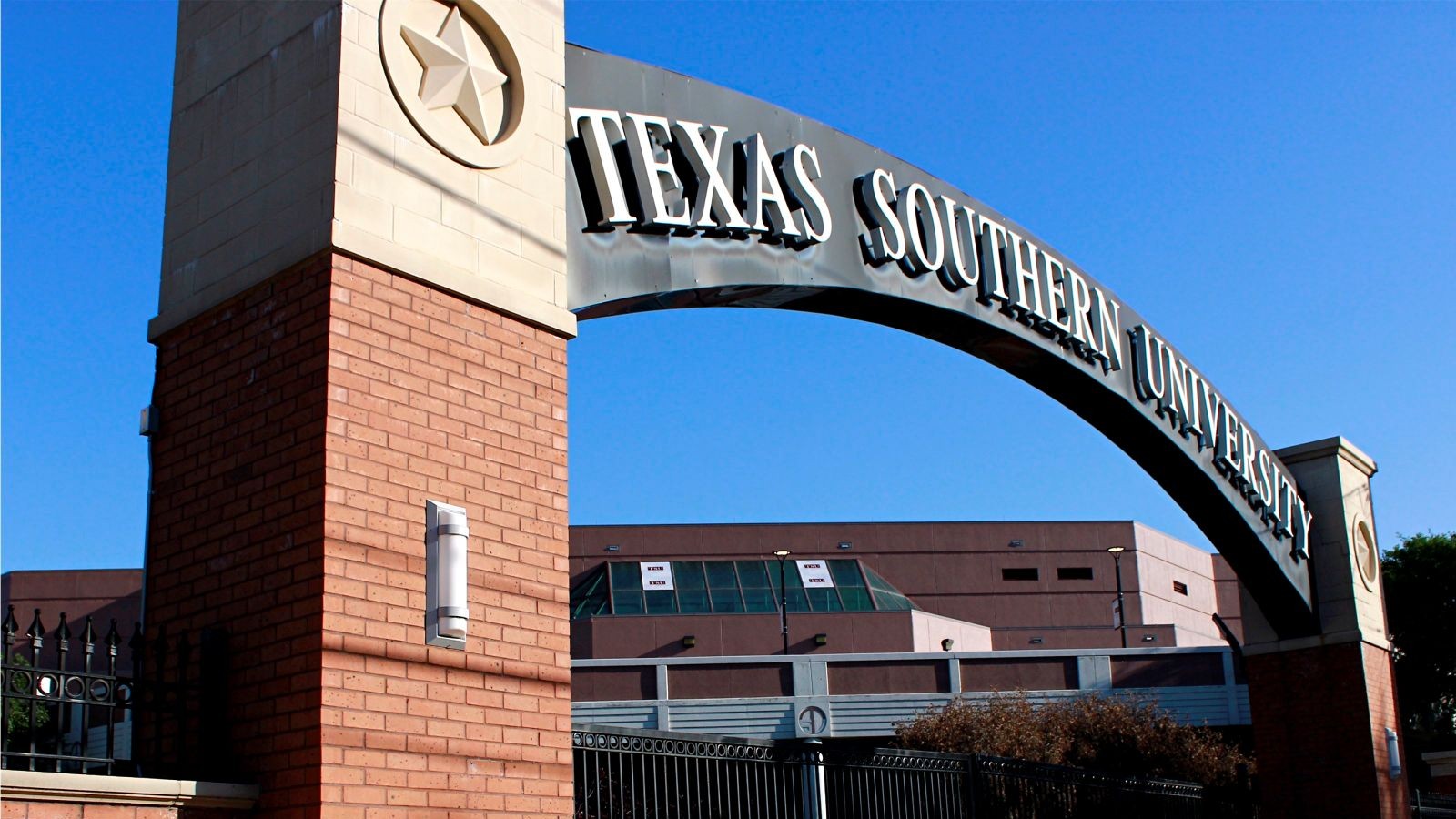
- A federal indictment unsealed in January 2026 charged 26 people in a point-shaving scheme that prosecutors say involved more than 39 players on over 17 Division I men’s basketball teams, and two Texas programs, Abilene Christian and Texas Southern, surface in the case.
- NCAA surveys show roughly a third of Division I men’s basketball players say they have been harassed by someone with a betting interest, with about a quarter reporting verbal or physical abuse, much of it arriving after a wager goes bad.
- The NCAA has stripped eligibility from at least 11 athletes and is pushing states to ban prop bets on individual college players, the wagers it blames for much of the harassment.
- Texas has no legal sportsbooks, so it has no college prop bets to ban, yet Texans still bet on college games through offshore sites and prediction markets, leaving the state’s athletes exposed with no regulatory fix available.
- Sportsbooks including Fanatics and BetMGM have begun identifying and banning customers caught harassing athletes.
AUSTIN – For a growing number of college athletes, a missed free throw or a quiet scoring night now carries a price that has nothing to do with the standings: a phone full of threats from strangers who lost money betting on them. The uneasy collision of sports betting and college athletes has become one of the most volatile stories in American sports, and the fallout has now reached Texas.
The pressure on those athletes, and on the gamblers willing to corrupt them, came into sharp focus this winter. On Jan. 15, 2026, federal prosecutors in Philadelphia unsealed a point-shaving indictment charging 26 people in what they called an international scheme to fix games. The ring allegedly involved more than 39 players on over 17 Division I men’s basketball teams who fixed or tried to fix more than two dozen games across the 2023-24 and 2024-25 seasons. Two Texas programs surface in the case. Abilene Christian is among the schools whose current or former players are alleged to have taken part, and one of the charged players now competes for Texas Southern, though prosecutors tie his alleged conduct to a previous school. Observers have called it one of the largest gambling conspiracies in college sports history.
The mechanics were grimly simple. Prosecutors say the fixers, who began by rigging Chinese Basketball Association games before turning to American campuses, deliberately targeted players whose bribes, generally $10,000 to $30,000 a game, would rival or exceed what they could earn from name, image and likeness deals. Underdog teams were preferred, and the players were asked to ensure their teams failed to cover the spread. The NCAA, which says its enforcement staff had separately reviewed roughly 40 athletes at 20 schools, has permanently revoked the eligibility of at least 11 players for betting on their own games, sharing information or manipulating outcomes.
The corruption is only half the story. The other half is what ordinary betting is doing to the athletes who are not on the take. In NCAA surveys, about a third of Division I men’s basketball players said they had been harassed by someone with a betting interest, and roughly a quarter reported verbal or physical abuse, much of it arriving the instant a bet goes bad. A group of Big Ten athletes wrote to NCAA President Charlie Baker this year describing death threats from bettors who blamed them for ruining a parlay. The abuse is no longer confined to social media; players report being heckled from behind the bench by fans tracking live wagers.
The NCAA’s preferred fix is to eliminate prop bets on individual college players, the wagers that tie a stranger’s money directly to one teenager’s stat line. Since 2024, Louisiana, Maryland, Ohio and Vermont have banned college player props, and the NCAA has pressed the remaining states that allow them to follow, while also asking federal regulators to shut down college sports prediction markets. Some sportsbooks have started to act on their own, with Fanatics and BetMGM saying they will identify and ban customers caught harassing athletes, and an integrity firm now maintaining a shared database of offending bettors.
In Texas, the policy debate runs into a wall of the state’s own making. Because Texas has no legal Texas sportsbooks, it has no college prop bets to ban and no gaming regulator to lean on, so the single tool the NCAA is pushing hardest does not exist here.
That has not stopped the betting. Texans wager on college games through offshore sites that ignore U.S. rules and, increasingly, through prediction markets in Texas that offer event contracts on game outcomes, the same federally regulated venues the NCAA is trying to rein in. A Texas Southern guard or an Abilene Christian forward can be bet on, and harassed over, by people the state has no power to license, monitor or punish.
That gap is unlikely to close soon. Under Texas gambling laws, authorizing sports betting would require a constitutional amendment, and repeated attempts have died in a Legislature that does not meet again until 2027. For now, Texas has neither the athlete protections that can come with a regulated market nor the insulation from the betting boom that prohibition was supposed to provide.
The college players caught in the middle have the least leverage of anyone. They cannot opt out of being a betting market, they are far more reachable than professional athletes, and, as the January indictment showed, the ones with the smallest paychecks are the easiest to tempt. The threats arrive in their direct messages either way.